
Ikaika Mendez: From Haumāna to Kumu, Becoming the Very ʻEa of Hawaiʻi.
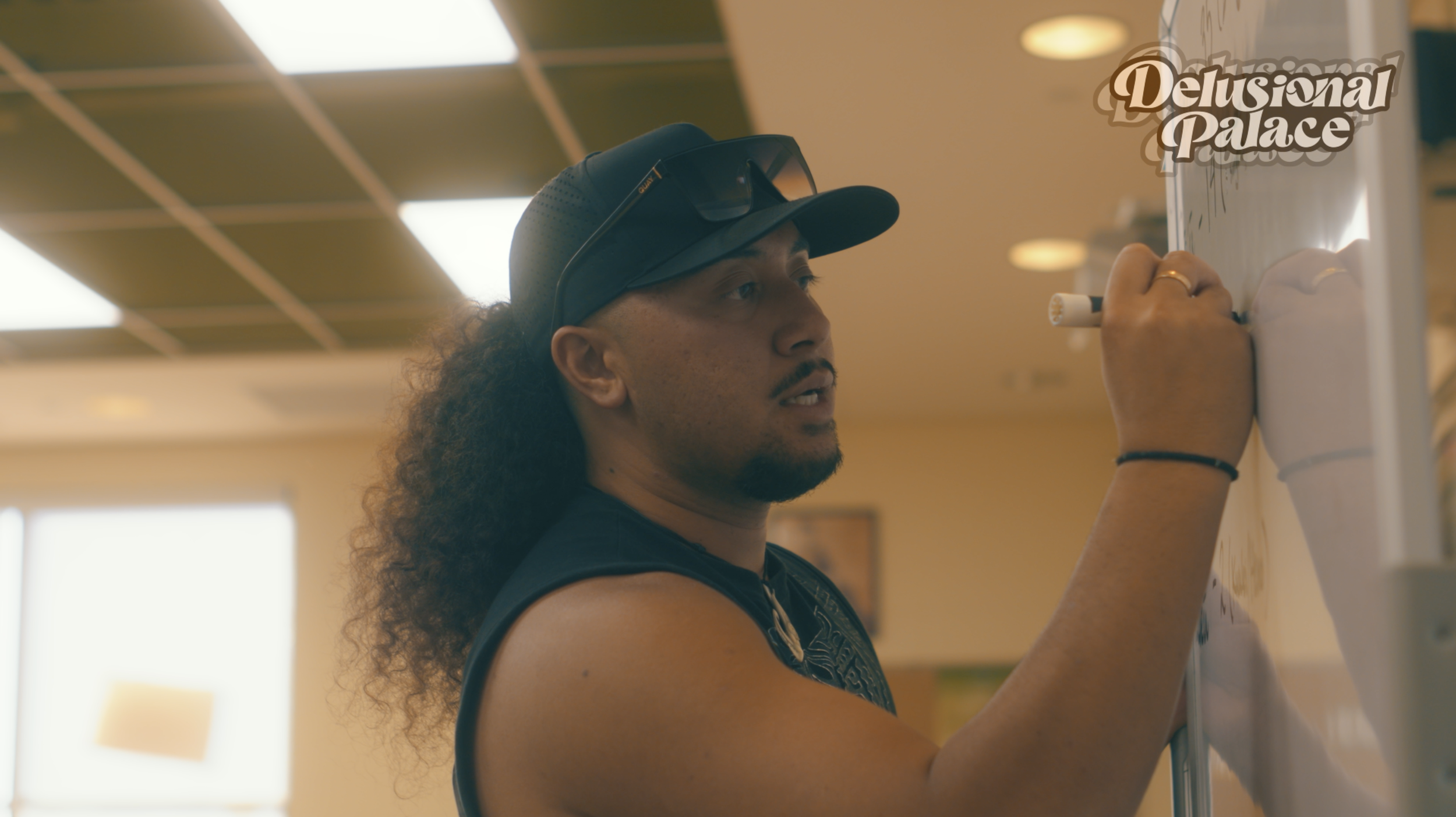
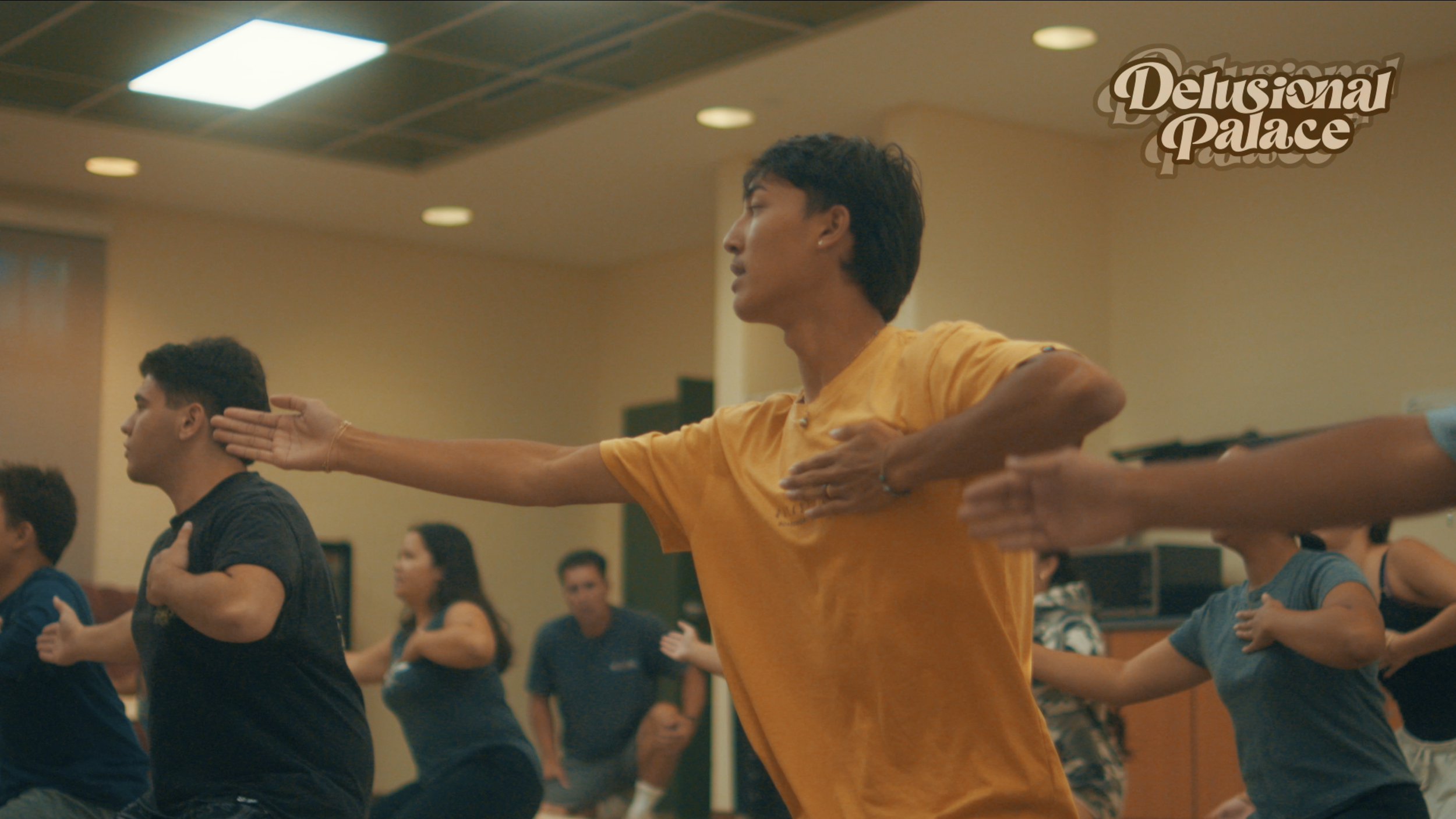
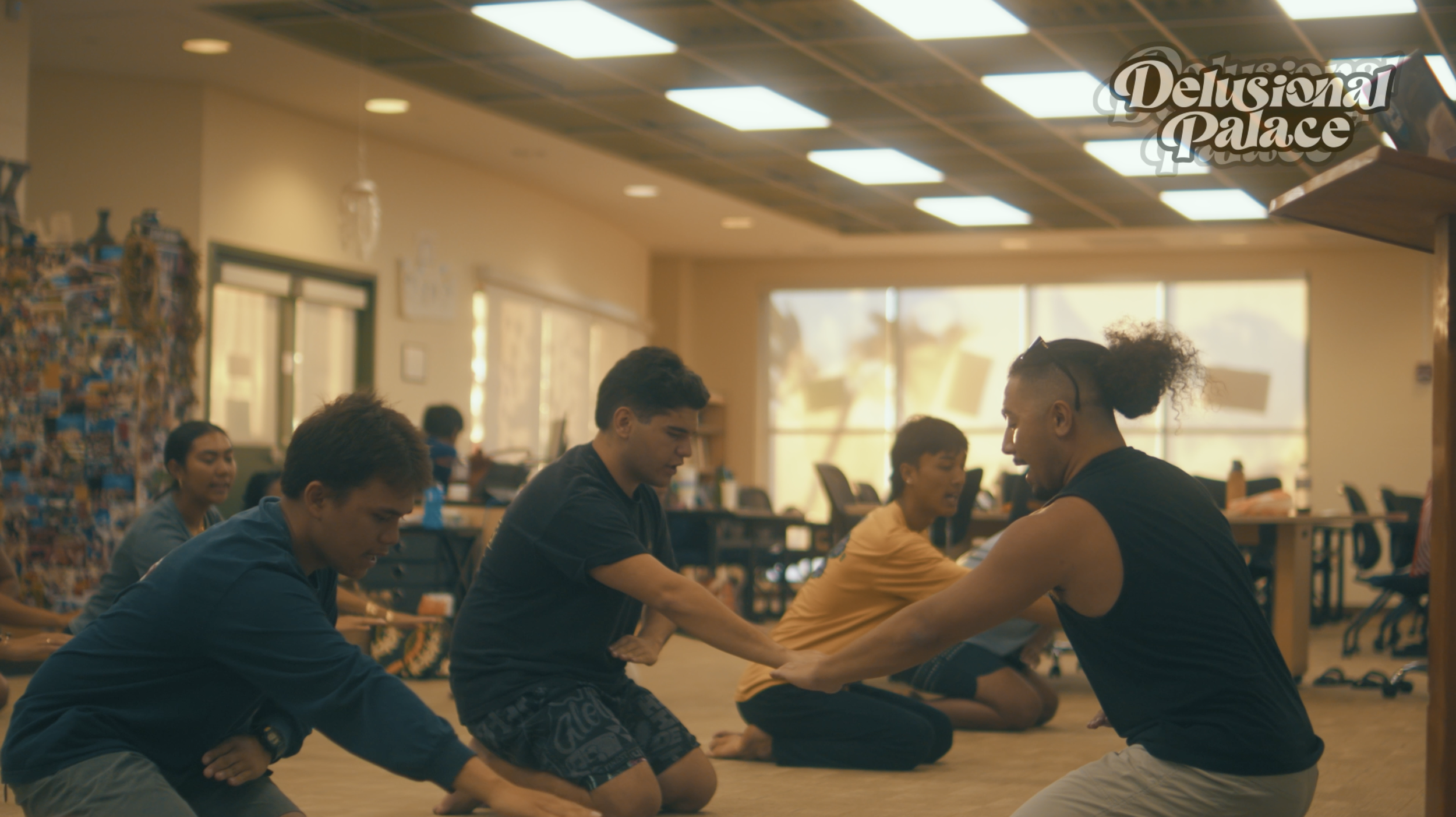
With a drive and purpose like no other to teach multiple Hawaiian subjects to countless haumāna across the multiple islands of Hawaiʻi, Kumu Ikaika Mendez is preparing every student after him with one piece of manaʻo in mind - He aupuni palapala koʻu.
For the nation of Hawaiʻi to be a nation of literacy. From this generation to the next…
Who are you?
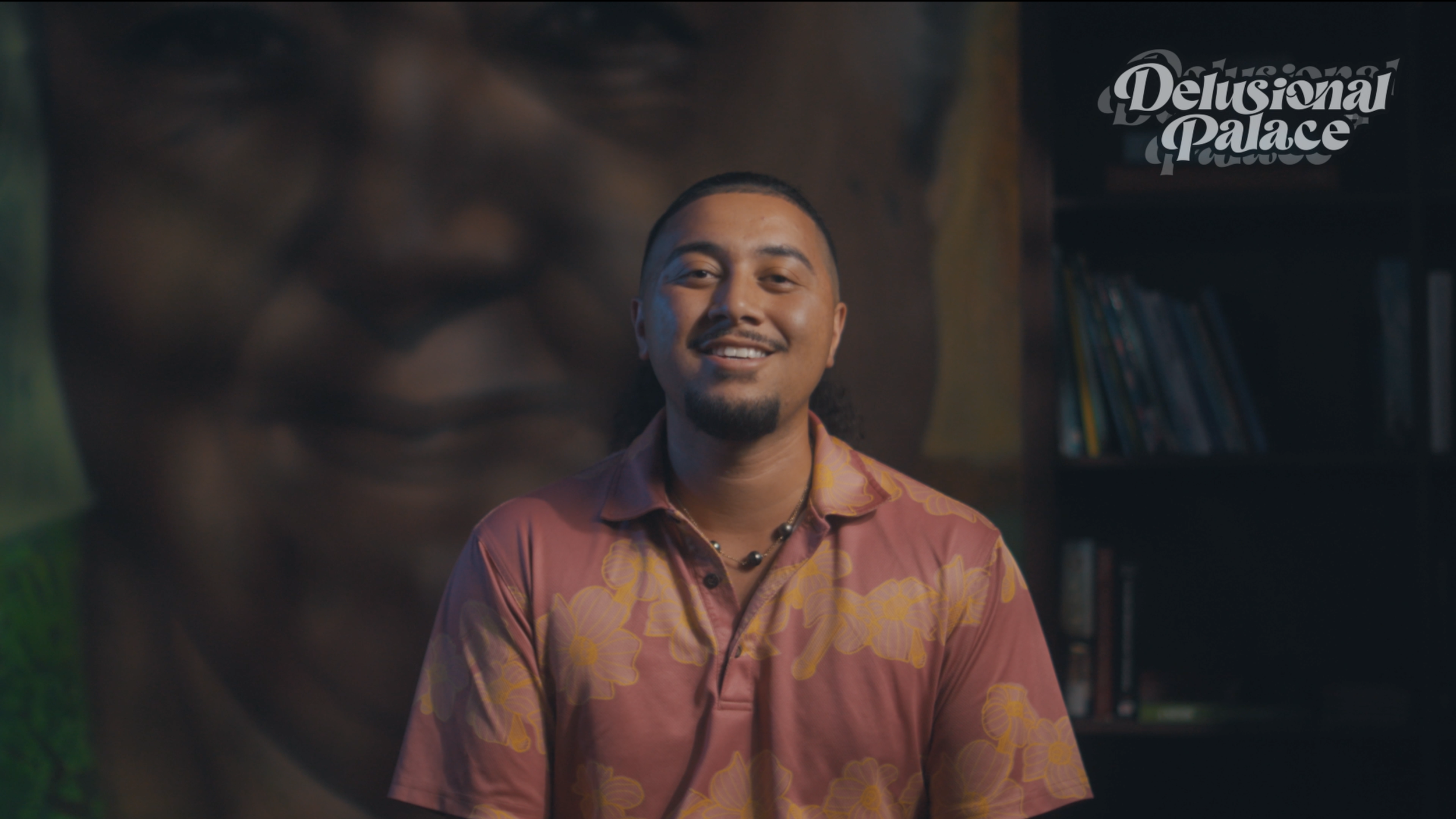
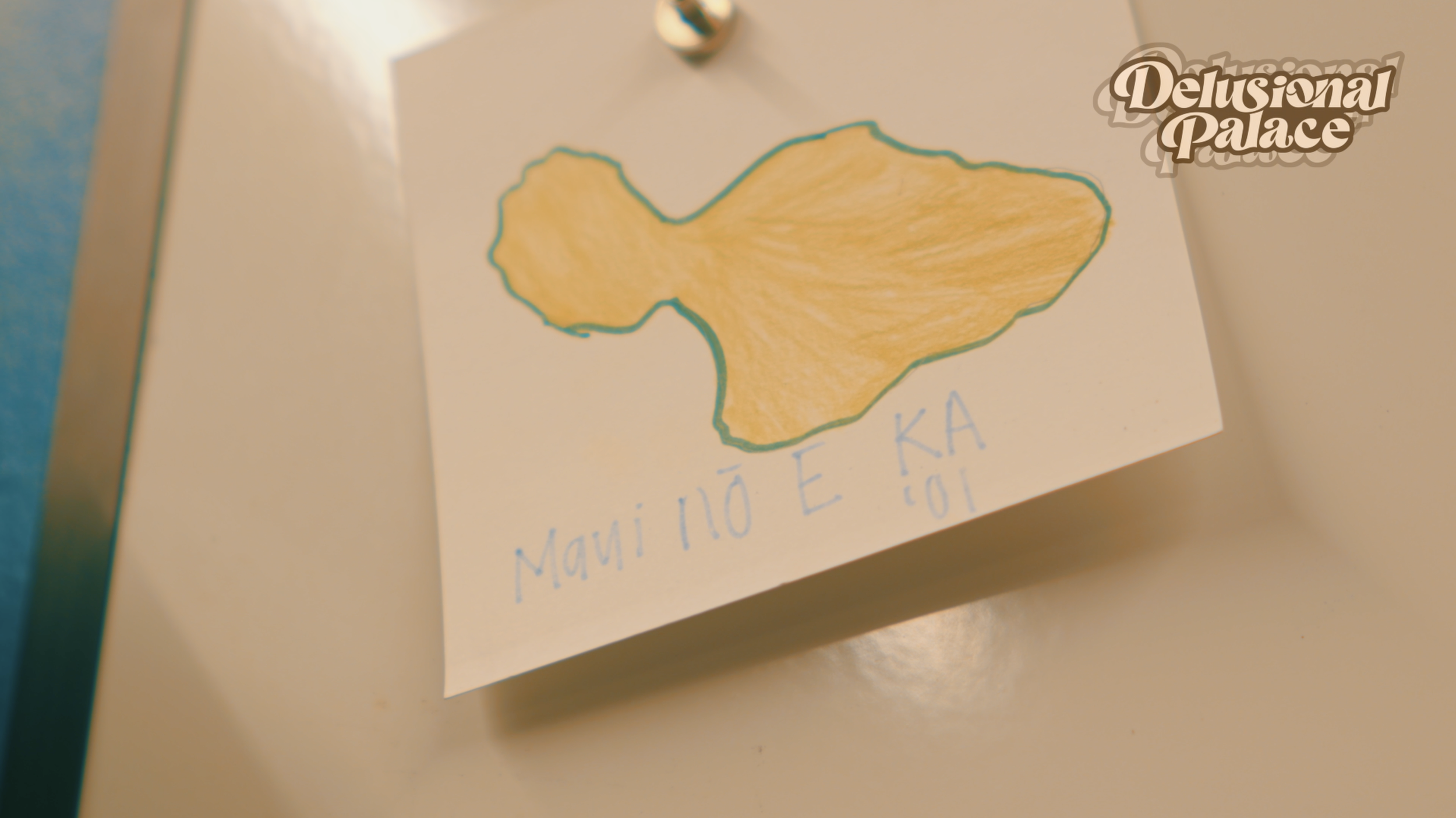
Aloha, my name is Ikaika Mendez! I’m 24 years old and I am from Kanaio on the island of Maui.
Ikaika, where did you find your passion and love for being a Kumu? Where did this all start for you?
So I found my love for teaching at my first job here at the University of Hawaiʻi at Mānoa, which was at the college of education in the Hawaiian Education Department, working with the Kula Kaiapuni.
I realized that IN the performing arts I was able to travel the world, sharing my culture, my language, and the history of my culture. My EARLIEST teachers were actually my grandparents and my parents and my aunties, and uncles. And they taught me hula and music and I think the LOVE of teaching actually came from them and THEIR passion for actually teaching me these things.
I wanted to be able to teach the NEXT GENERATION the same way…
How long have you been teaching for so far?
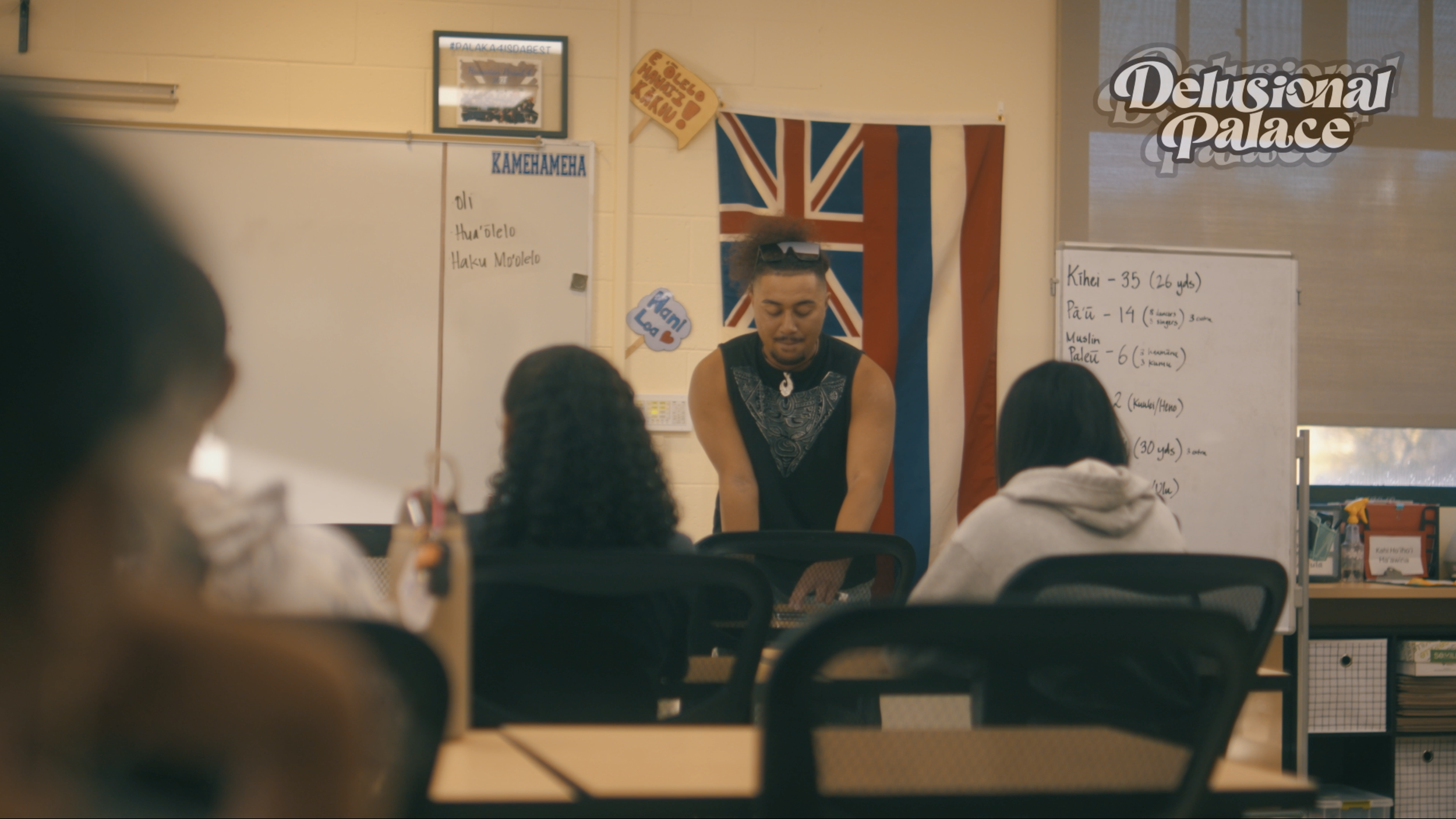
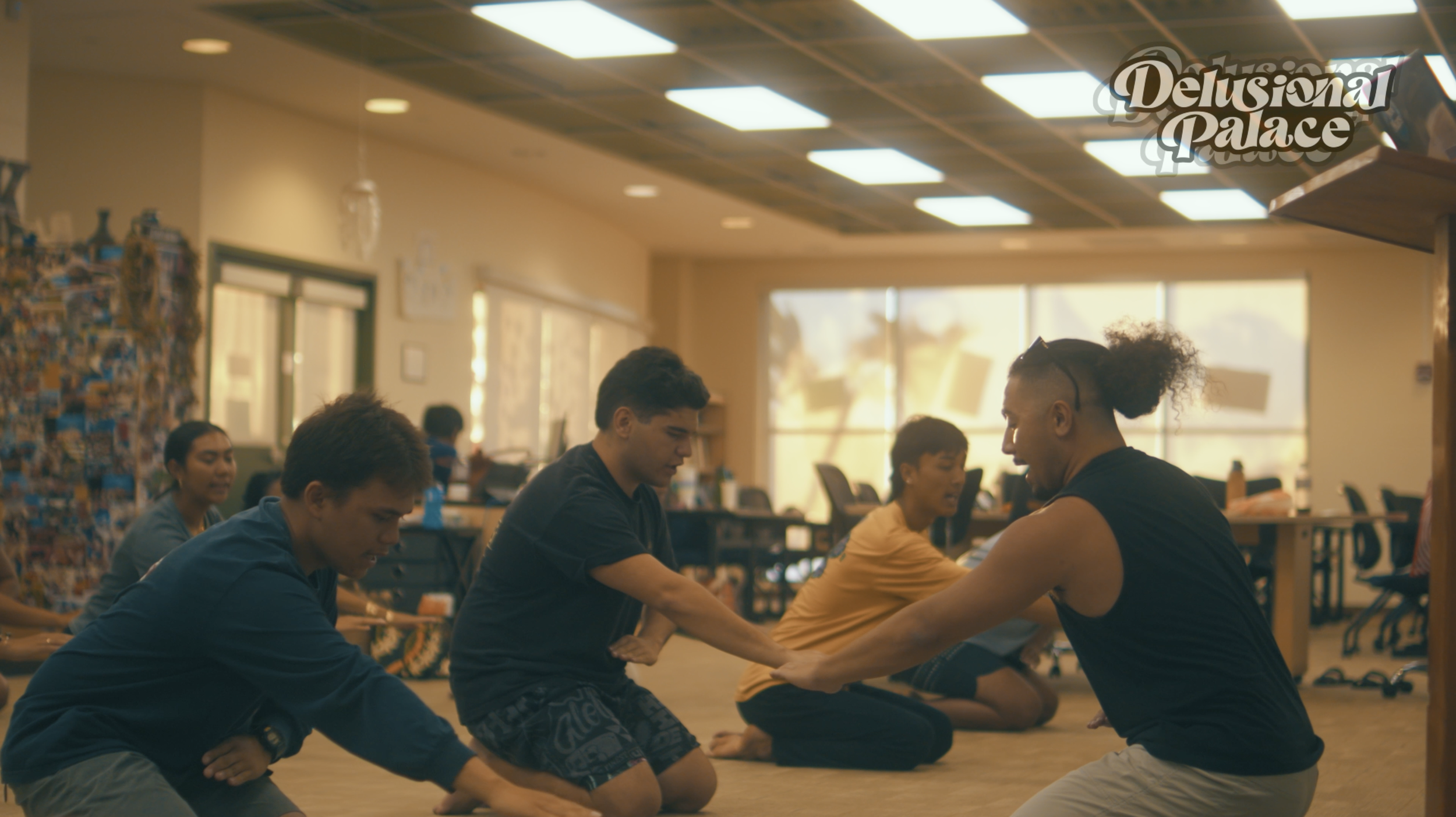
So I’ve been teaching for about 5 years! And 3 of those years were kind of unofficial, where I would just teach workshops and hold conversation classes with young adults and adults, but officially teaching the high school grades (actually K-12) for the past 3 years.
Wow! All of this and you’re still attending school at the same time, yeah?
Yes! I’m a full-time graduate student at the University of Hawaiʻi at Mānoa in the theater and dance department, working on my degree in Hawaiian theater Hana Keaka.
What was your childhood like growing up in Kanaio? Do you think it had a connection or contributed to you FINDING that love for teaching and in what you do today?
So my whole life, I grew up on Maui. And where we come from, Kanaio, they call it ‘the boonies.’ It’s very secluded, low population and pretty much 80 to 90% of the population is ALL family, coming from the same ancestor… So we’re FORCED to be creative. We played a lot of treehouses, we sung A LOT, did a lot of lip sync battles, jump on the trampoline outside, running with the horses and the cows, and we were just forced to come up with things to have a fun childhood! And I think that’s where my creativity stems from.
I know mele is a big part of your creativity as well. Did that come before your passion for teaching?
Definitely, yes. My passion for music came before the teaching! A lot of people in my family play music, whether it’s in the garage or at church, or real life entertainers at lūʻau and recording artists.
We just grew up around it, and we would get up, pick up an instrument, and join along! I was probably younger than 10 when I first learned how to sing and play ukulele with my grandparents. And I really tribute MY music and my knowledge of music and passion for it to my grandparents on both sides of my family.
It started with Hawaiian music, THAT was the foundation: Mele Hawaiʻi. And from there it kind of expanded to jazz and “what does Hawaiian jazz sound like?” And R&B, and more recently, kind of like pop music.
How did that turn from a passion in music to a passion for teaching? When did this WANT to be a Kumu personally find you since it’s so different from being in music?
I think the opportunities that mele and hula offered me is what DROVE me to wanna teach other people to do the same thing. To travel the world, sharing music, to record their own albums of music, and make their own hula, and all those kinds of things.
And between music and teaching, it’s a BIG GAP, but at the same time not. At the same time, when you’re passionate about your music and people are curious about it, you’re gonna wanna tell them the stories, you’re gonna wanna tell them ‘oh how this song came about.’ So I think they come hand in hand actually. They’re closer than we think.
And how did that turn into “I think I’m going to be a Kumu” and having taught for 5 years so far!?
So coming into University, I actually came in as a Hawaiian Studies student, and then my 2nd year I switched over to Hawaiian language! And through the language I found the BEAUTY of our mele. The true beauty of our mele and our hula, and I wanted to learn more about that mele side, so I actually added on a major of music and music education specifically, and voice performance.
So I graduated with my bachelor’s in Hawaiian language and music! Specifically in voice and education… ALL of that WHILE working as a student assistant at the college of ED. So they were all kind of layering on top of each other and aiding me in graduating and showing me that all of these things really do go together.
I mahalo my mentors because I was kind of thrown into the fire. One of my first jobs was teaching the Kaiapuni class AND a workshop on ʻŌlelo even though I was STILL a STUDENT of ʻŌlelo. I was forced to kind of learn the language quicker and not just be able to not just learn it myself but to teach it which is not just very hard, but it actually motivated me and encouraged me to really grasp the ʻŌlelo and the concepts of what I was teaching…
And as a student, it felt kind of weird teaching because it felt like I didn’t KNOW everything yet. I worked with a lot of professionals in the language and it was kinda intimidating to come in as a teacher, as a Kumu and feel like you’re not at the same level or feel like you’re unprepared, so A LOT of insecurities in that: coming in as a young teacher.
But that actually built character in myself and that built confidence IN me, teaching what I know!
Because I can only teach what I know…
What subjects do you teach? And how did you find your way to each one?
Everything I teach stems from my passion in music and performing arts: Mele, Hula and Oli.
So I teach language (through music), I teach culture and history (through music and hula), I teach a papa mele, which is mele and language kind of fused together, and I think it all stems from my love and my passion for music. I kind of have a love for all of them and they’re ALL fused together. You can teach language through music, you can teach music through language, and they ALL help eachother in a way.
Did you always want to teach ALL of those subjects?
I think I always knew that I wanted to teach something, and that thing would be music and Hawaiian culture, and language, but I just didn’t come to ACCEPT it until very recently.
Because I didn’t like the idea of “Oh, you know music, you know language, you’re gonna be a Kumu.”
And that’s ALL that you can be. But you can be SO MUCH MORE… But for me, my passion IS teaching these things.
Why teaching? In your nāʻau, do you feel like it gives you something you can’t get somewhere else?
Mmm, I think teaching is a reciprocal relationship that you have with your haumāna. Like you teach your haumāna, but your haumāna also teach YOU.
And that’s the part that I love. I love growing with the haumana in this ʻIke, that’s the most exciting thing for me is that I’m able to teach what I love, teach what I know, but ALSO to grow in that process.
How exactly do your students teach you?
The haumāna… they have a way of teaching me patience. And they teach me things about myself that I DON’T know. And when I come to that realization, it’s a very humbling experience because I get to find out these things that I never knew about myself that I NEVER knew about the ʻIke that I’m sharing and get to kind of elevate that.
How does it feel to know that through the WAY you teach, your choreography of hula, your vocal intonations in songs, and style will become how these haumāna perceive how certain meles, songs, language patterns, and history?
I.E. when someone exclusively learns under you for the next few years, you become their style of teaching. “Growing up, my Kumu taught me this style of ___.” Does this play any factors in HOW you teach? - Knowing that YOUR way will become their way…
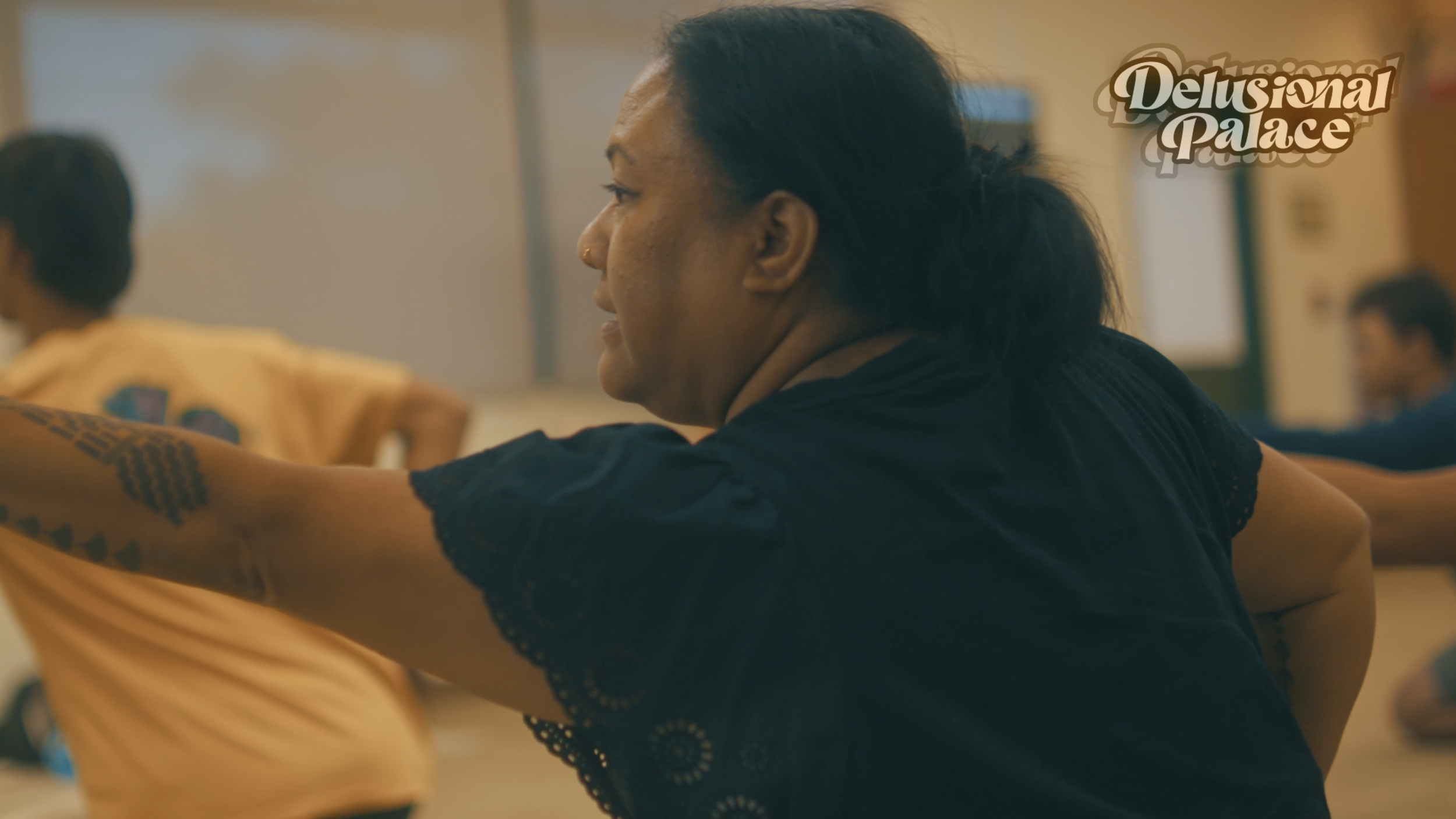
I think alot of people have the idea that Kumu are like the Aliʻi… Or they’re like the DICTATORS of the classroom. But for me, it’s more of a Alakaʻi lawelawe, which is a Servant leader. You’re SERVING and you’re pouring into the lives of these haumāna because you’re helping them think, and you’re helping them grow as these young adults.
And even the adults that you teach! You’re HELPING them understand the world and to think in different ways:
Instead of teaching them what to think, You’re teaching them HOW to think.
When did you decide that you really wanted to take teaching far and make this your career?
So I’m a co-teacher of a performing arts group: Hawaiian Ensemble at Kamehameha Schools Maui, and we’ve been able to travel the world. ALL throughout the Pacific and the Hawaiian Islands, even to the states… and I think THAT’S what drives me.
Being able to use the ʻIke that we have, the CULTURE we have and the language, and the arts, and share it with the rest of the world, and get these kids to think outside of the box, to think outside of the islands.
Because there’s such a great world out there that everyone deserves to see.
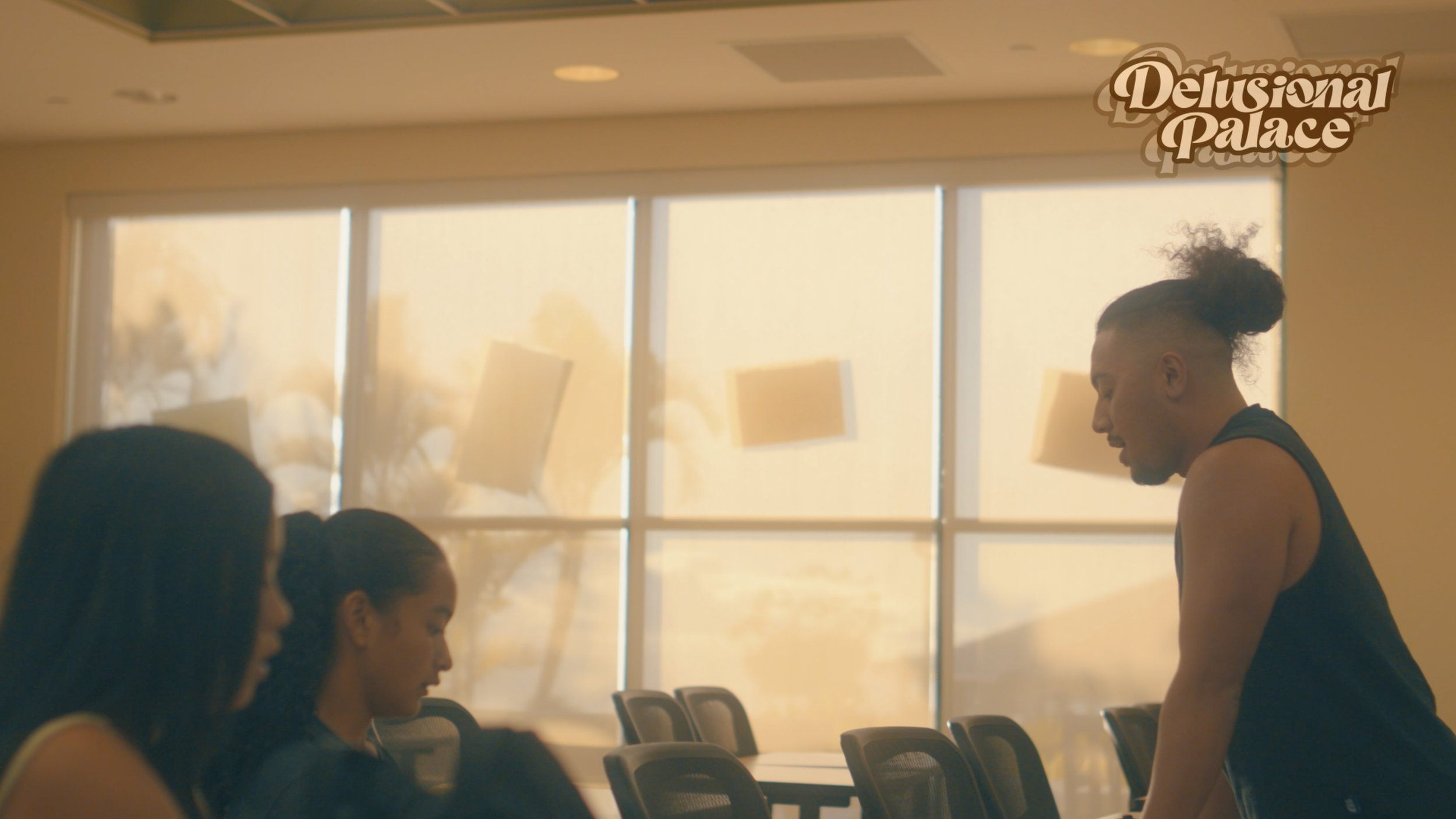
What do you mean by think outside of the islands?
I think we’re put into this mentality that we are islanders just living on the island, and we’re very limited resources.
But when I say think outside of the box, I’m really saying to think at a GLOBAL level. Where do we exist as Hawaiians? Where do we exist as humans in this greater world? So bringing HAWAIʻI to the world, really.
And how would you say that YOU and your haumāna bring Hawaiʻi to the world?
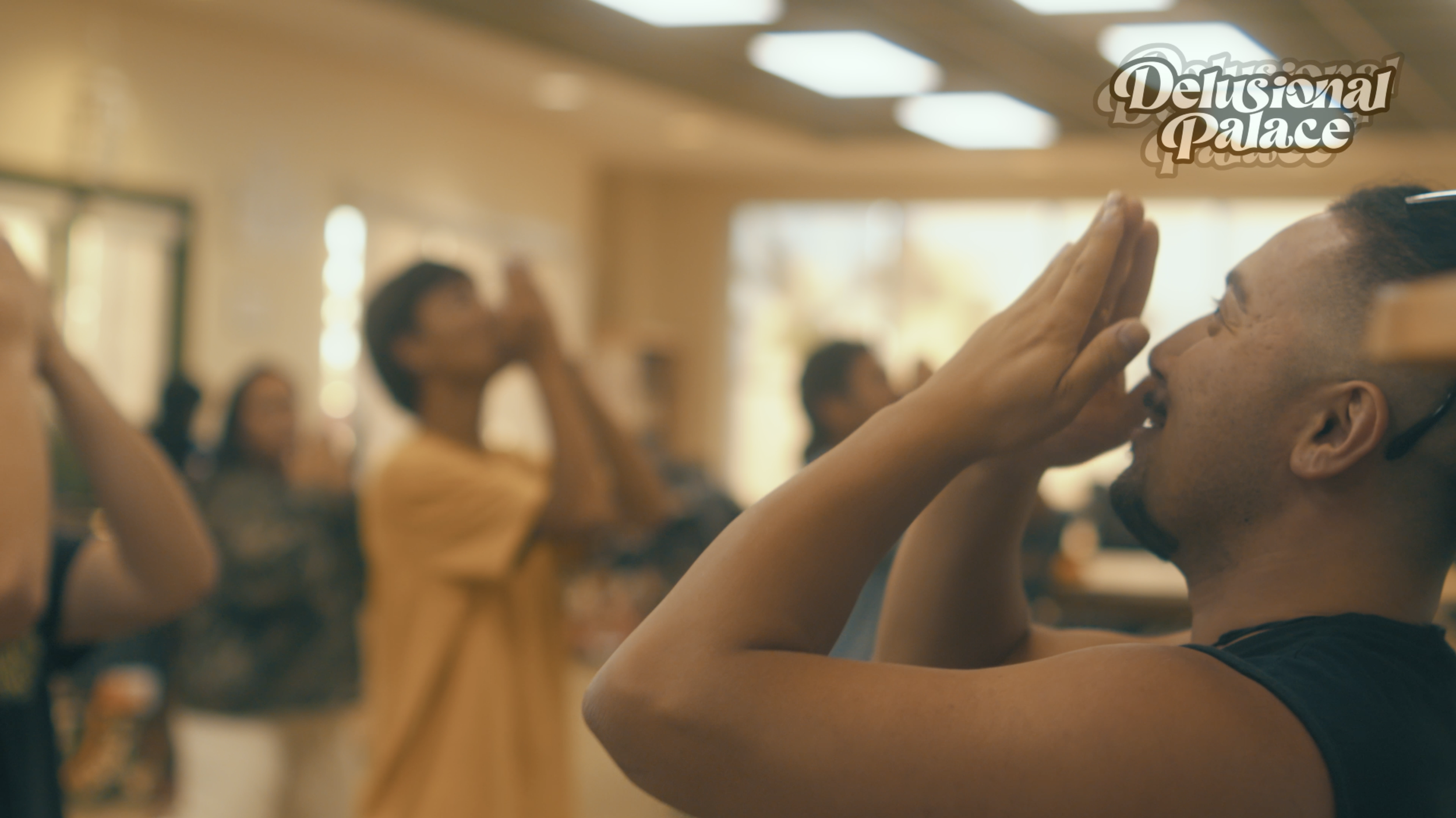
I think my co-kumu and my haumāna bring Hawaiʻi to the world through our music! Through our dance, through our chants, through our history, and all of those things.
What is the routine of being a Kumu like for you?
*Laughs* I kind of have two lives. I have full-time Kumu, and then I have part time Kumu…
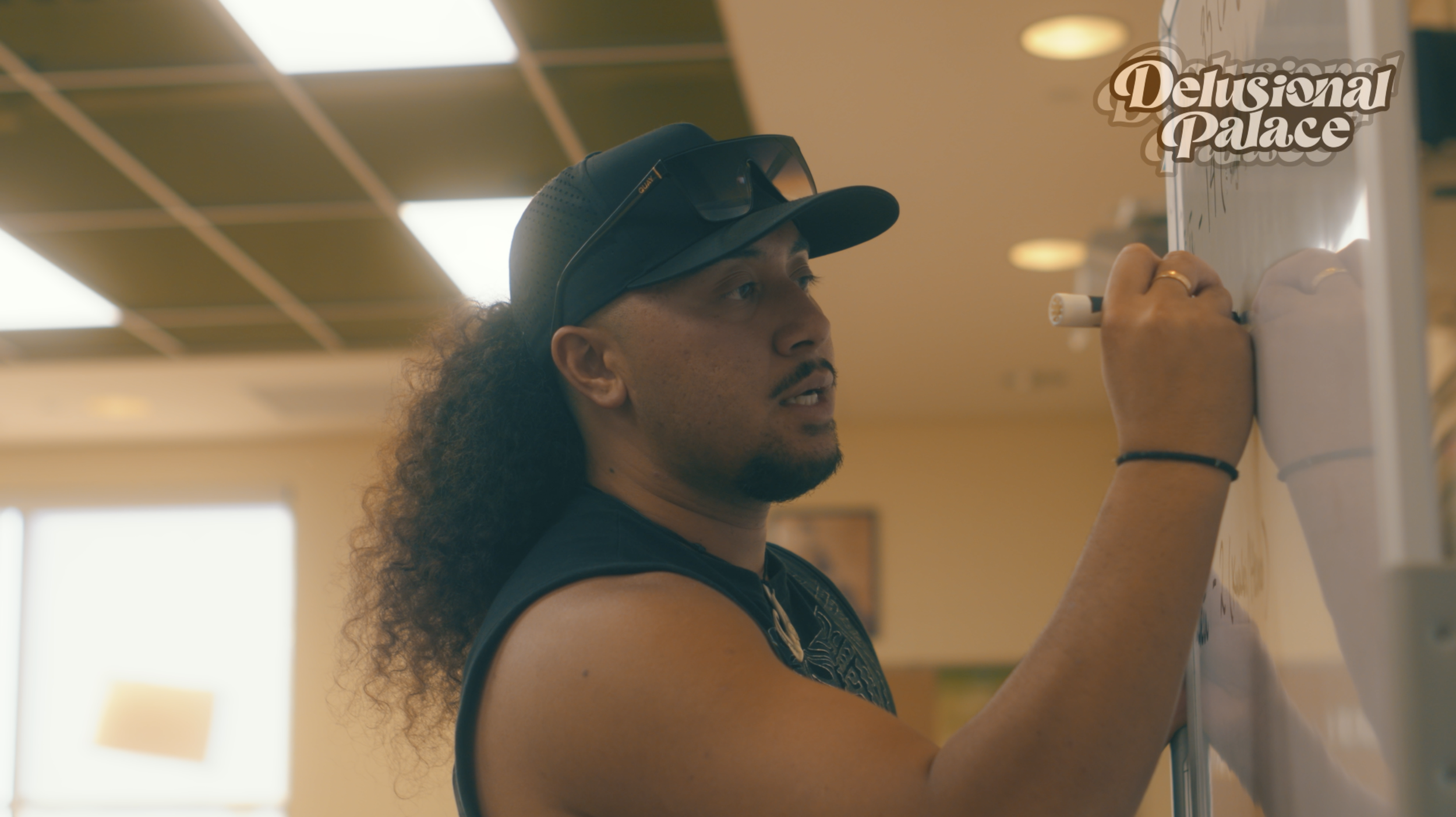
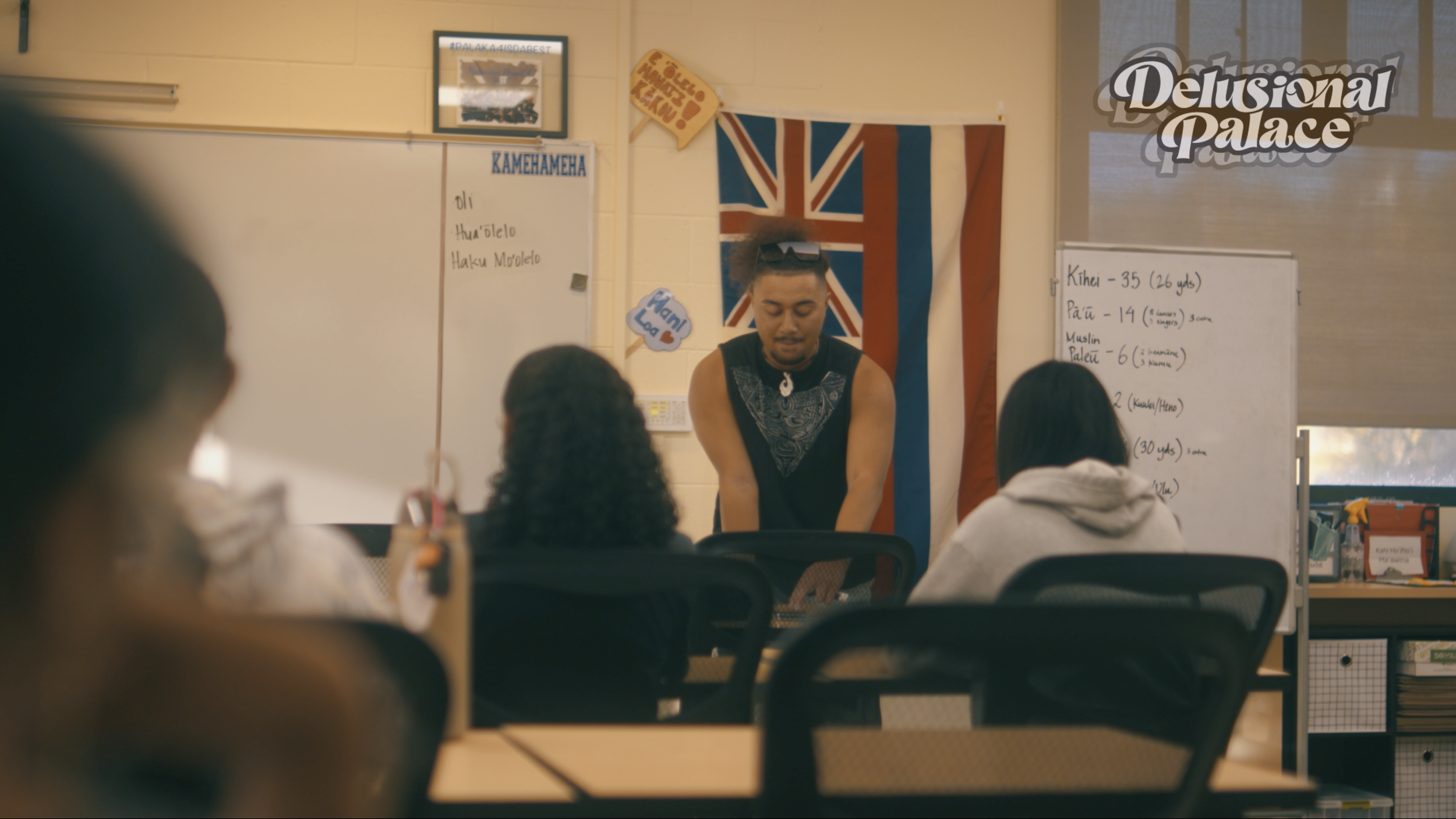
AND I have part-time haumana. So as a full-time Kumu, you’re waking up REALLY early: 5-6, and you’re preparing yourself mentally, physically for the day, and you get to school, you teach your 1st block (which would probably be ukulele or music), and then you’re teaching your 2nd block which is probably language. So you’re tryna find ways to code-switch and have the ability to TEACH these different subjects throughout the day.
And then you have about 5 blocks with a lunch in between, yeah, then after lunch you’re teaching some more *laughs*! And you’re teaching different subjects, and then after school… the job is not done.
*Laughs* you’re teaching extracurriculars that you have and these students that stay BEHIND after school too that ask for help, or to ask for further mentorship. You’re working with them, and then you get to go home and just SLEEEEEP. *Laughs*.
That must be SO much you have to balance: Having lessons ready for this week, then the next week and making sure you remember all of the Manaʻo and ʻIke you need to teach! How do you keep up with remembering everything you’re teaching?
There are teachers out there that have EVERYTHING paʻa and everything for the whole week. But for me, I take the end of the day to kind of prepare for what the NEXT day brings.
You’ve mentioned you’re studying for a degree in Hawaiian theater in addition to the bachelor’s you already have for teaching. That’s a lot to balance, and how come you’re studying theater? Do you have any background in theater or entertainment?
I grew up performing. I worked at a lūʻau at a very young age for about… almost 9 years. And CONTINUED that in my educational journey in the theater department, and learning how to act, and how to SING on a more professional level, record music with different artists all over the world, and yeah, all fun stuff!
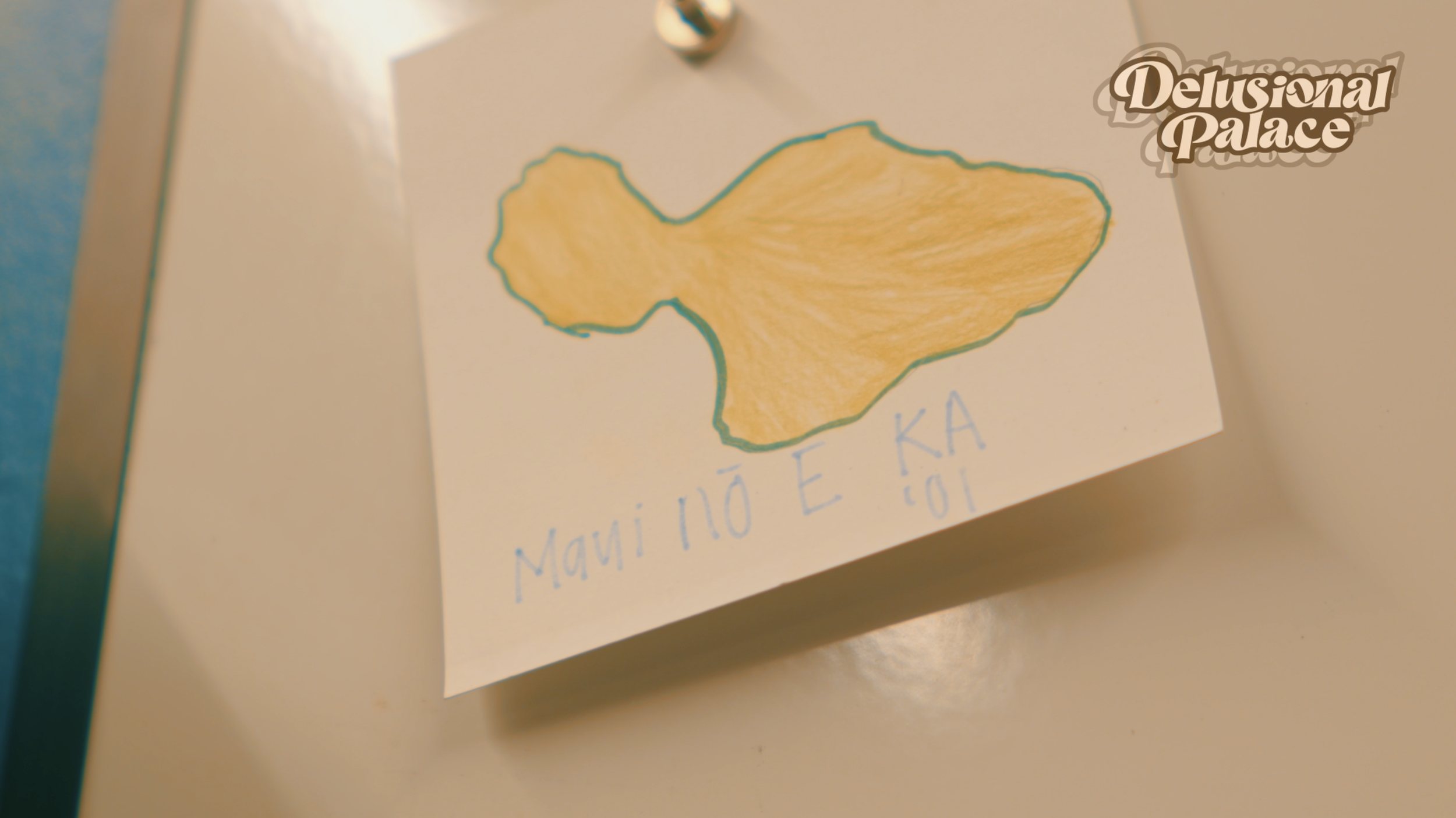
Does acting help you become a better teacher?
Oh definitely. My performing experience has DEFINITELY aided in my teaching because I learned things IN the industry, in the music industry, in the acting industry, theater and dance - I learned things from my own experience that I’m able to teach and kind of avoid for the haumāna, but able to teach them overall: what it’s like to actually be IN these things.
Why act ON TOP of everything you’re busy with now? Is it crucial for you personally?
It’s VERY much like gathering tools for your toolbox or your toolbelt. So going THROUGH all of these things, being in all of these shows and performances, it’s all experiences that I can use that teaches me so that I’m better able to teach this next generation:
What it’s like to do these kinds of things, to perform, to sing in public. So it’s building my toolbox so that I can give THOSE tools to the next generation.
There’s a saying: ʻAʻa i ka hula, waiho ka hilahila ma ka hale.
And that’s to DARE to dance, and leave all of your shame at home. And I think through acting, through singing, through hula, chanting, whatever performance it is, that ʻōlelo noʻeau is really not taken lightly, but it’s REALLY deep.
It cuts to the core of what it’s like to JUST LIVE these experiences instead of living in shame, or being embarrassed to act, be embarrassed to sing, or crack your voice. It builds your confidence, and it builds your character as an individual that wants to EXPRESS what your inner emotions are.
Would you say THAT ʻōlelo noʻeau is your motto?
Yeah, that’s one of them! I have many ʻōlelo noʻeau that I lean to in my education journey as a student AND as a teacher but yeah, that’s definitely one of them.
What other ʻōlelo noʻeau do you just live by as a Kumu and as a person?
Another ʻōlelo noʻeau that I look to is I leʻa ka hula i ka hoʻopaʻa.
The hula is made joyous/the hula is made fun BECAUSE of the hoʻopaʻa. And it’s that concept of being paʻa in who you are, being paʻa in YOUR ʻIke, and your knowledge systems in where you come from. When you’re paʻa in that, then the hula is made fun.
Then you can have a joyous hula.
And hula is like life, right? So when you’re PAʻA in your ʻIke, your moʻokūʻauhau, where you come from, then your life is just SO much more joyous.
Are there plenty fun times with your haumāna as a Kumu?
Oh, of COURSE, yes!
There’s so much fun in being a Kumu, you build this pilina not just with your haumāna but your co-kumu and with the ʻohana of your haumāna! So I’ve gotten to know so many great families and actually took The Hawaiian Ensemble from Kamehameha (Maui) to TAHITI, and we’re on our way to Rarotonga (The Cook Islands) in the South Pacific.
And the experiences in Tahiti were just great, AWESOME, worth it, you can’t go wrong.
Working with different students, you gotta have the different types of kids I assume - ones that come on time to class and are usually real courteous, the kolohe ones who like to joke around etc. hahaha. What is it like adapting to having to teach them all?
Yup, there’s definitely the maiau maʻemaʻe - they do ALL their work and they come on time, and then there’s definitely the kolohe… and they are the ones that COME LATE, but they still have that fire in them. And when you’re a Kumu of a group of haumāna, then you’re able to SEE that spark and that fire within them.
Even though they come late sometimes, even though they’re kolohe, you’re able to see the passion! And THAT’S what drives you as a Kumu. No matter what background you come from, or challenges you’re facing, obstacles, all of that, they kind of are FORCED to leave it at the door, and let the ʻIke, the mele, the hula, let THAT kind of brighten up their lives. And I think that’s a opportunity for them to really LIVE in the moment.
Are there ever students for you that might’ve had a harder time understanding lessons at the beginning, that you eventually see growing and understanding lessons on their own that you’re teaching?
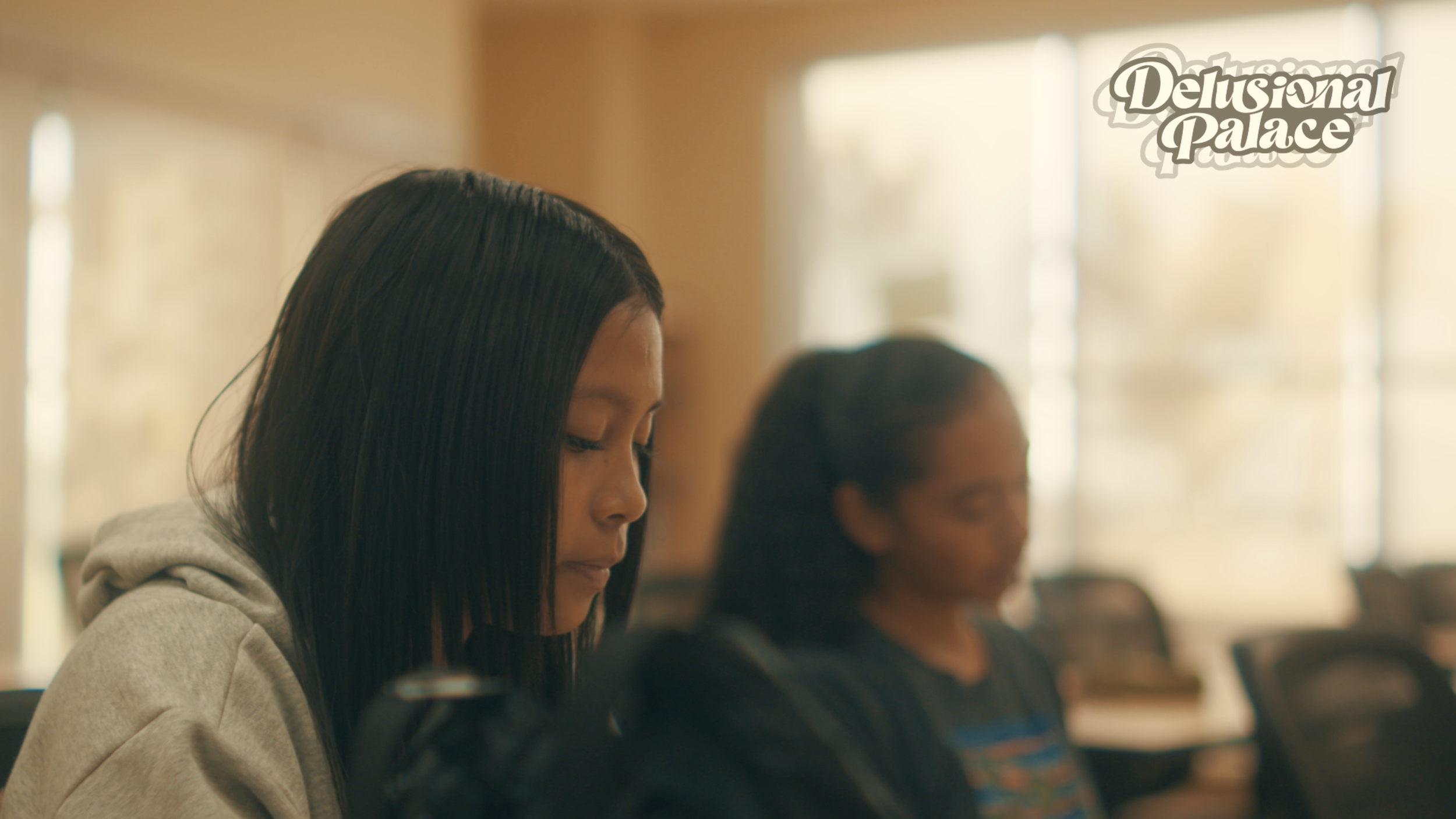
There’s definitely those students that show that they’ve learned something, and you SEE the growth immediately. But then there are those students that take a little more time and care and they’ll eventually get it. And then there’s the haumãna that maybe you don’t see progress, but later in life they see and they realize “Oh, that’s what I learned, that’s what I learned 20 years ago!”
And that’s just the purpose of a Kumu - is to help this young adult grow, to help this human grow, as a BETTER human for society.
What do you do outside of work and in your free time just to get away from teaching once in a while!?
In my free time, I like to GET outdoors. Because I’m stuck in the classroom, so whenever I get the chance to, I like to go hiking, I like to go to the beach, I like to cruise with my friends just around the island, and I really like to just get fresh air!
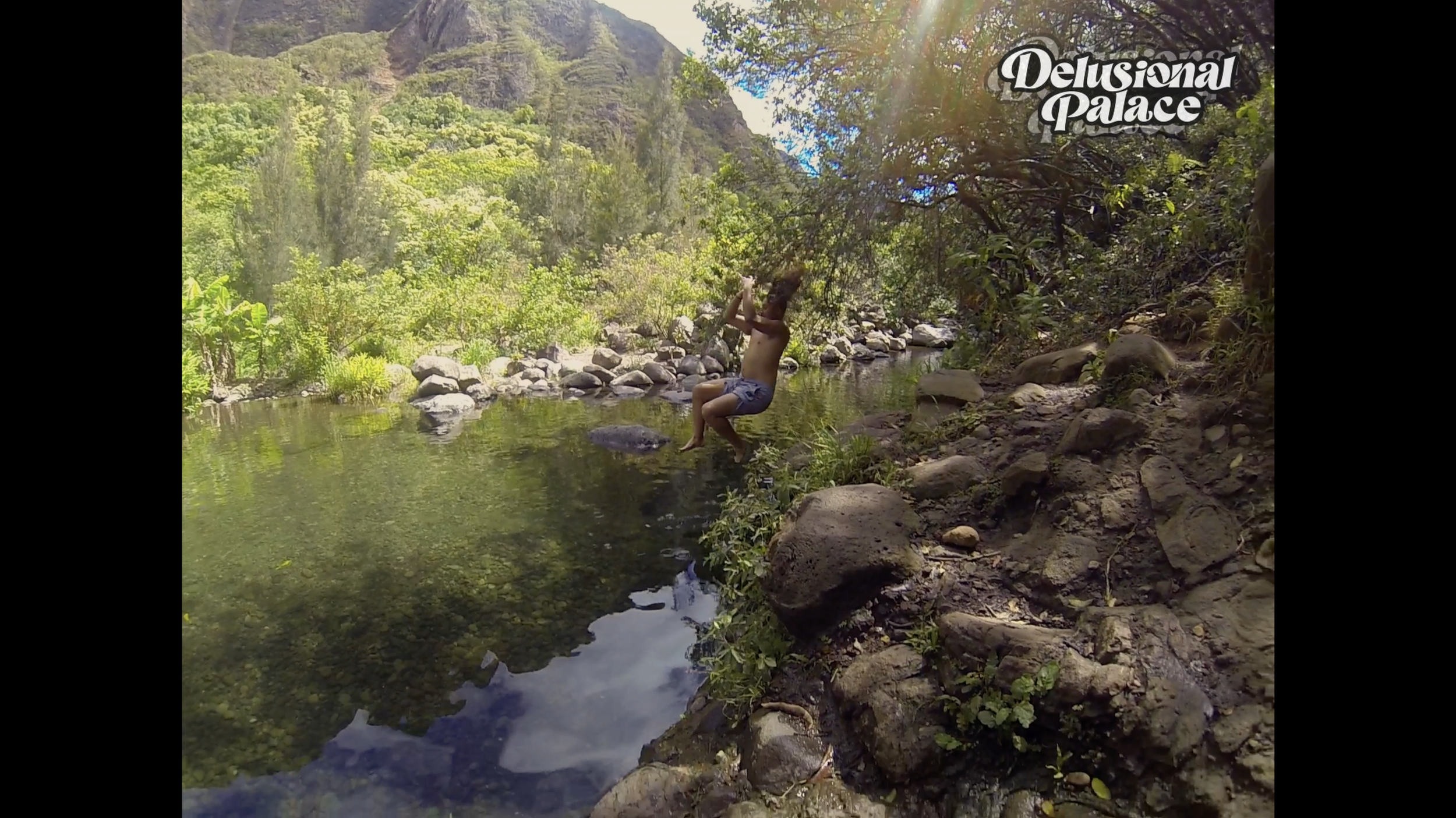
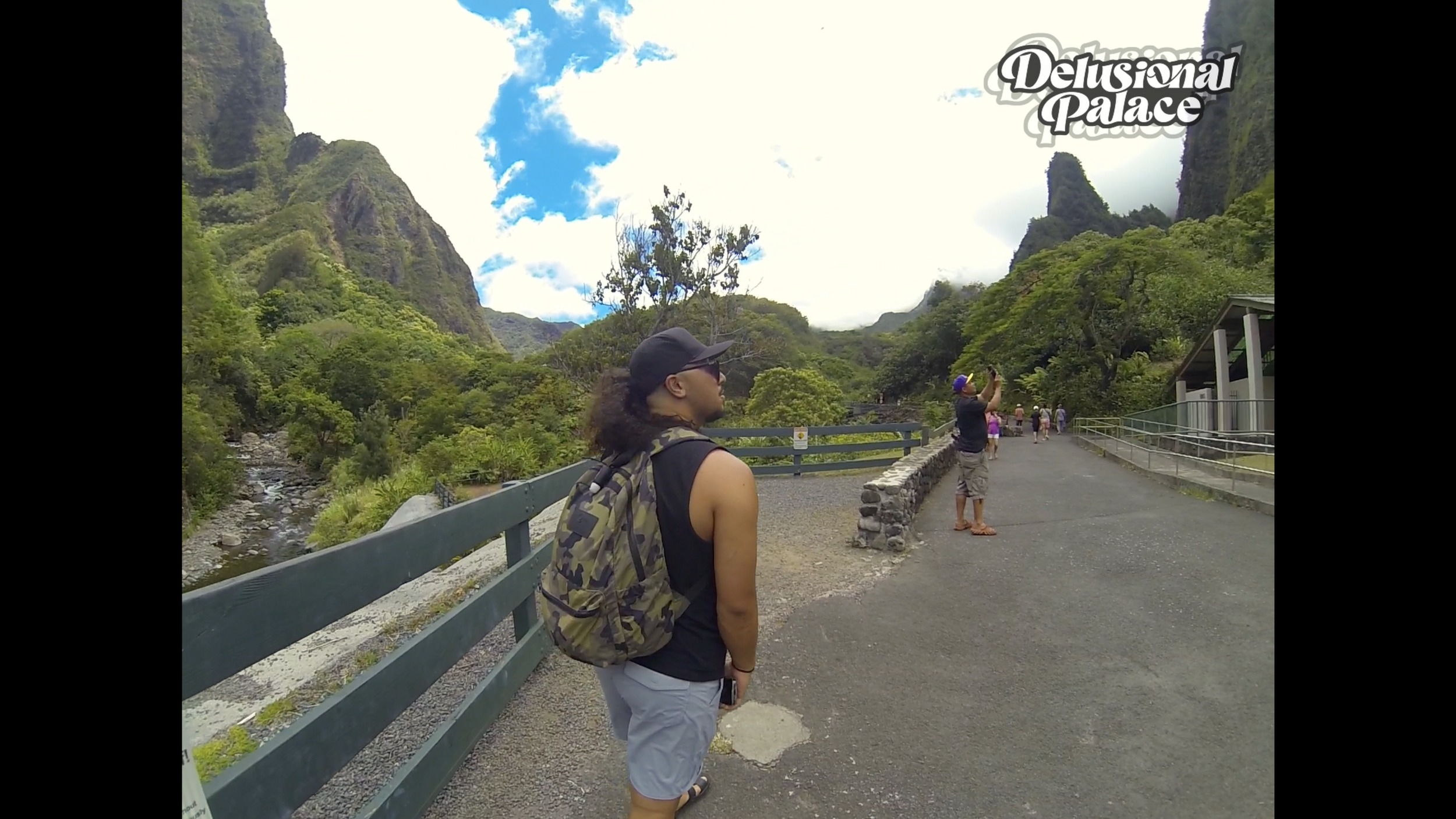
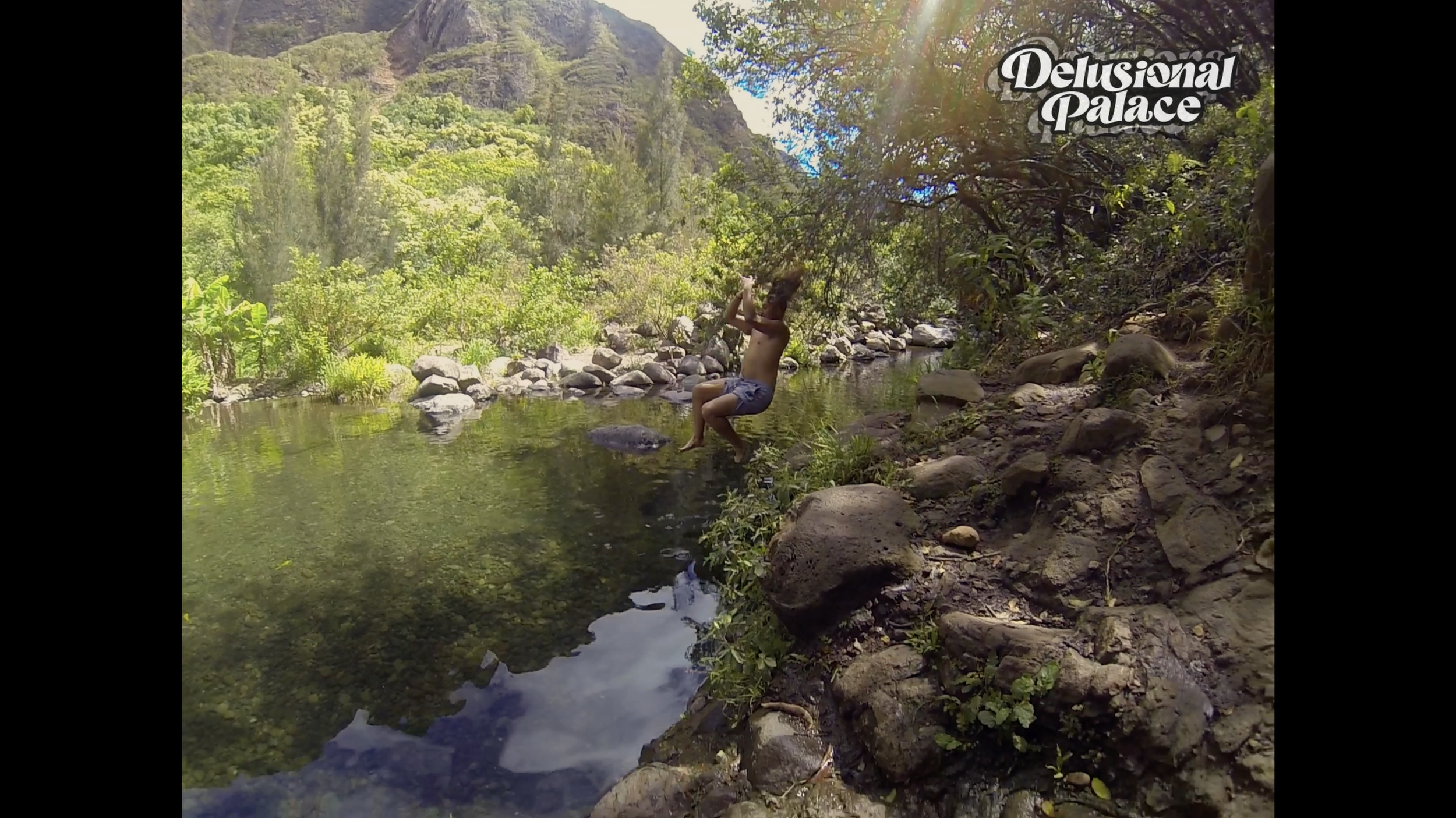
So on Maui, we have a FAMOUS valley in Wailuku called Kepaniwai or ʻĪao valley. So the valley used to be different, I feel like it changes every day. And because of the environment and it’s changes, the valley has definitely gotten wider, the water’s gotten lower and more polluted in some areas, so it’s definitely different, but it STILL has it’s beauty, oh yeah there’s different parts of ʻĪao that you can explore. There’s the lower park, there’s the ACTUAL state park where you see the needle, and then you can even hike through the whole valley! And see where that takes you (I’ve never done it so *laughs*)…
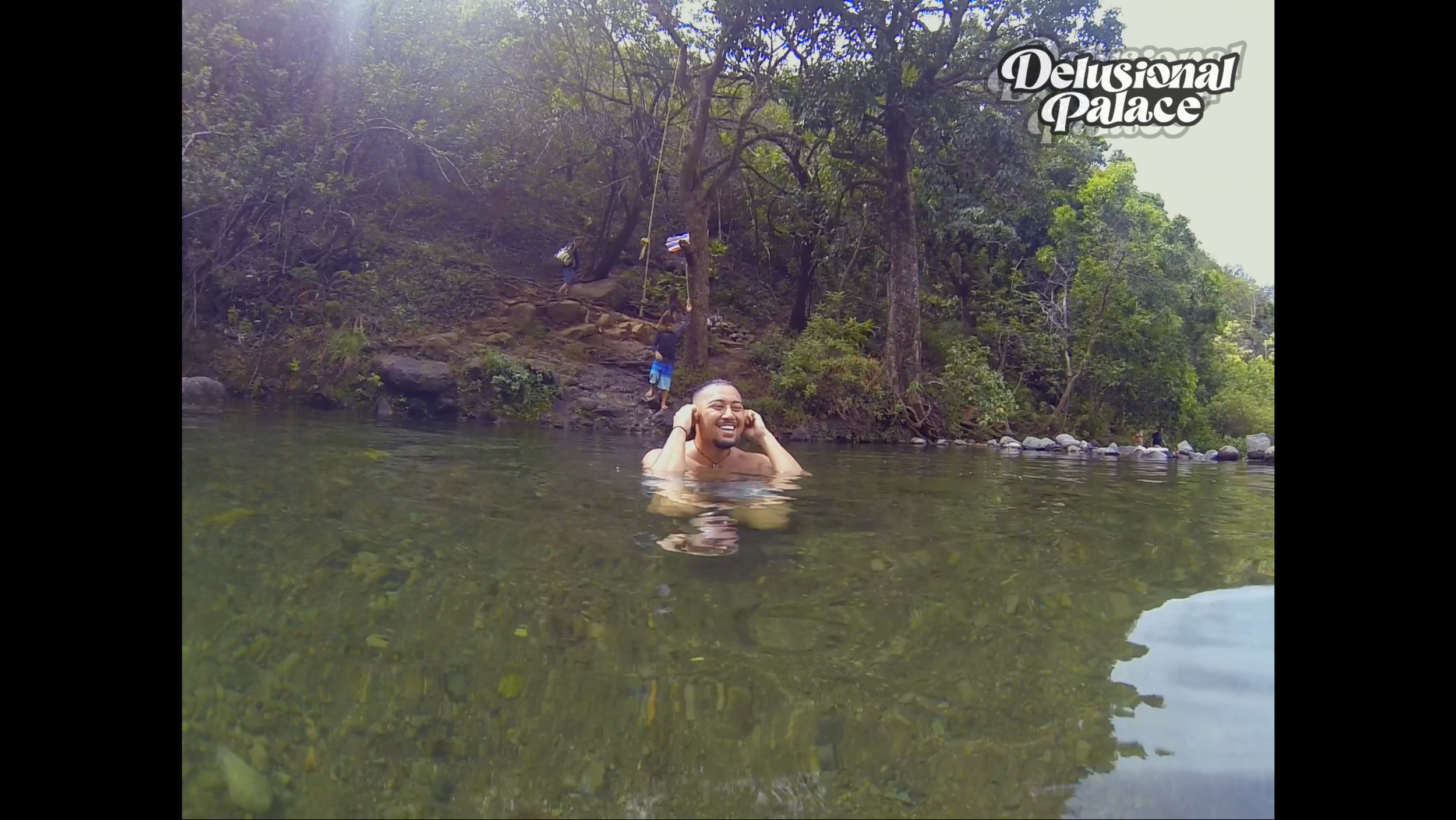
And it’s the central valley that everybody goes to in the swim in the cold water. You find a pond, you do a hike, find ANOTHER pond, and you just jump in the water for fresh restart - reset.
But my favorite part is the ponds kind of by the national park, and more lower by the pavilions, cause it’s more of that community feel, you see your friends, and there’s places to kind of STEP aside if you need to and swim on your own, or there’s places to socialize!
Families have been going there for years! I remember going there as a little child and STILL going. Whether it’s by myself or with that group of friends, it’s just that place that we’re able to kind of step away from society and the business of the city, of work. And we’re able to just go DEEP into the valley and to just sit in the cold water, let all your worries wash away.
Yeah, I definitely love to go there to hiuwai… There’s other rivers and valleys I go to to do that, BUT this one just seems more central. It’s actually a very sacred valley in our culture (and especially on the Island of Maui)! It’s the home to the bones of many Aliʻi from Maui AND Aliʻi NOT from Maui that it’s been written in history that Īao valley is one of the most sacred valleys in the islands of Hawaiʻi.
I think it still carries that same essence of ʻea. That same essence of Hawaiʻi from back then… I still feel it. And people feel it. That’s why we go there - We go there to you know RESET. We go there to just take a quick dip because there’s just something about that valley that allows us to do so. And you’re in the presence of Kupuna that passed there, Kupuna that lived there previously.
And the Kupuna and families that still DO live in the valley. And that’s just one of the sacred places and Puʻuhonua (or place of refuge) that I FIND for myself on the island of Maui!
What makes you DELUSIONAL in being a Kumu?
What makes me delusional is music-making. Whether it’s with my students, with my friends, with my colleagues, the ABILITY to make music, just like stacking harmonies and THINKING outside of the box in your music… It’s the same thing about life.
Because life is like a song: You have the pretty notes, you have the dissonant notes, you have harmonies, you have solos, you have duets. SO many things within music and performance itself can be applied to the way that I teach, and the way that I TEACH others to teach, and how I live life.
You’re thinking outside of the box: What are things that I can challenge, what are things that I can do that nobody’s ever done before, and THAT’S what makes me delusional.
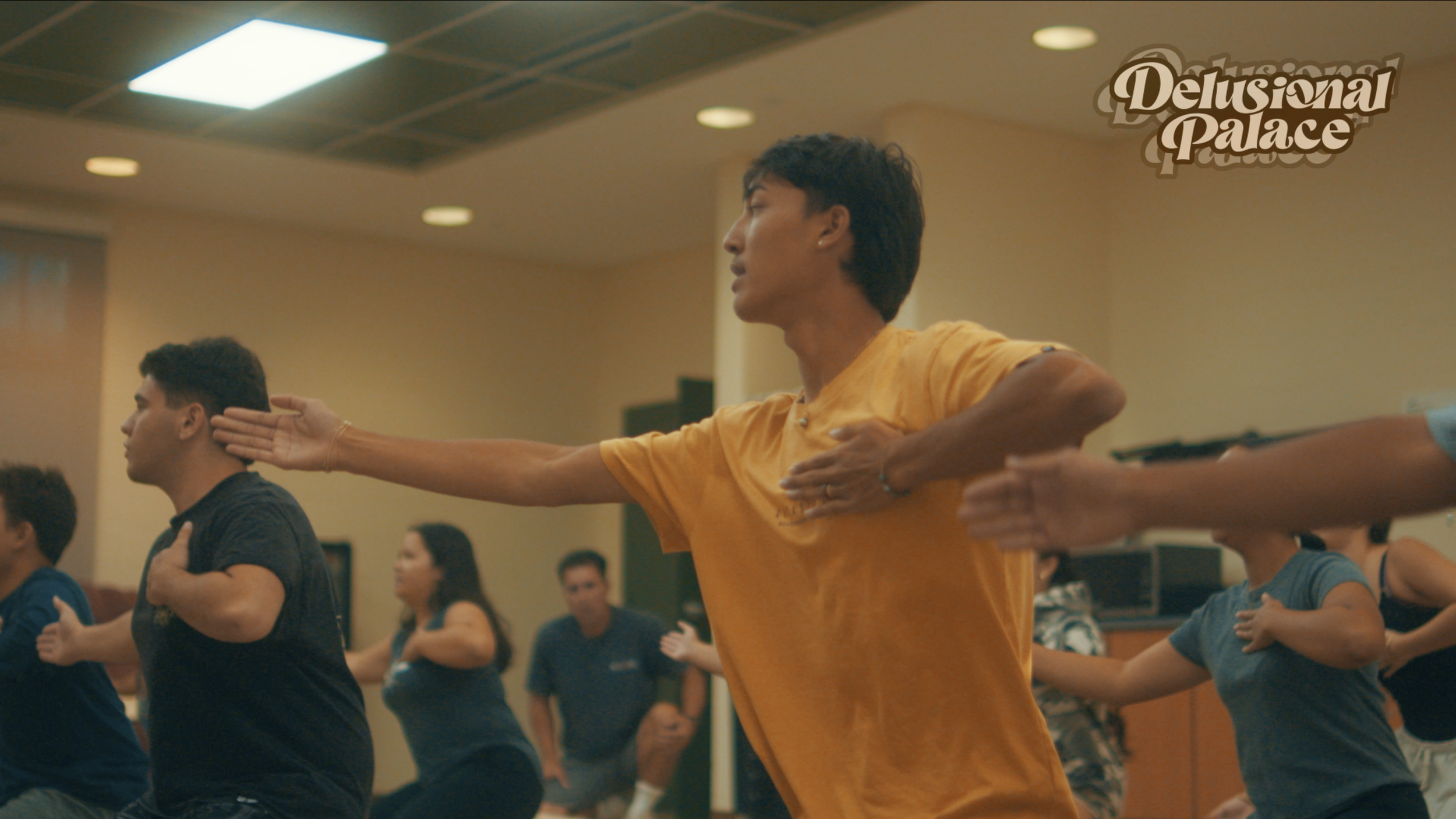
Are there any challenges you face in being a Kumu? How do you face them in your OWN way?
There’s definitely PHYSICAL challenges to my voice. Teaching the young ones in a HIGH register is very hard, and code-switching to teach the older ones in a LOWER register, so there’s a lot of toll on the voice and the body as well.
But there ARE mental challenges as well, that challenge your ability or capability to teach something, to say… a high school group. There’s people that place this high school group into something small. But when you can be thinking outside of the box, and thinking in ways that elevate these high school students to be BETTER high school students in performance, in life in general.
And those are the challenges that I face with physically and mentally.
Do you think that other Kumus go through the same thing?
Yeah. Being a Kumu comes with great kuleana - And Kuleana is, could be burden, responsibility, but also privilege.
So being a KUMU you’re hit with all these challenges: With haumāna that come to you with their personal issues, with haumāna that come to you with challenges in the classroom. And being a Kumu means being there for your haumāna.
Being that Alakaʻi lawelawe. To make sure that not just you are well physically and mentally… but ALL of your haumāna.
And making sure that you grow WITH them.
Did you ever have a point where you felt that being a Kumu wasn’t going to work out?
There were definitely times in being a Kumu that I thought ‘this is too hard’, ‘I’m not capable of doing this’, and ‘maybe this is meant for somebody else’, ‘maybe I’M supposed to be somewhere else’ and… I definitely thought I was gonna be more into the performing side, but as a performer, growing as a performer, I learned that they go hand in hand.
Performance and education. And I can USE my performance experience in teaching! In teaching performance, in teaching language history, ALL of those things… So, there’s definitely challenges when you’re questioning yourself about ‘being a Kumu’ or ‘not being a Kumu’ but again: LEAN in your passion, and that is what will drive your education.
Is there anything else that helps you get over personal challenges of your own?
The thing that helps me get through these challenges is definitely MUSIC that I make. Because music is an emotion or words that you don’t know how to say, you put it IN to music. Or you sing it! OR you dance it! Or you chant it! And that’s what I do -
I put my emotion into the music that I make and the music that I listen to, and I just let THAT kind of uplift me whether it’s on Apple Music, or it’s LIVE music from my students. And it’s the music that I analyze or that I teach. It’s all within the music.
That’s what uplifts me!
What’s your piece of advice you could give to a Kumu just starting out you would want to share?
My advice to any educator or future educator is to just lean into your passion. They say it’s not work if you’re doing the thing that you love, and that’s VERY true.
I do what I love in performance, in music, in hula, and it doesn’t even seem like work! It’s just all fun stuff. And find ways to keep your ‘Ike that you’re sharing, relative and fun.
How long do you see yourself being a Kumu for? What is your goal in teaching, if you even have one?
I think teaching is a LIFELONG thing. Just like being a student…
You’re always learning, every day of your life, and you always have the ability and opportunity to TEACH every day of your life. Something, to somebody. Whether it’s math, whether it’s a life lesson, whether it’s ANYTHING in your life.
I can definitely see myself teaching different subjects like the western music andwestern acting, and THOSE kinds of things, but I do like where I’m at right now - Teaching the cultural perspective, the Hawaiian perspective OF those things.
In Music, hula (which is dance), hana keaka, I love teaching those from the Hawaiian perspective from the Kona ʻIke Hawaiʻi, AND from our ʻIke Hawaiʻi!
Which is our ancestral knowledge that we have - given to us.
And OUTSIDE of being a Kumu and teaching right now, how’s life going for Ikaika?
Life is great! Stay busy, stay outta trouble - That’s my current saying right now.
And I’m CURRENTLY in a million different projects and in my last year of my master’s program, so this is a very pivotal year in my life in determining what I wanna do one year from now…
Anybody or any projects you’re on in particular right now you wanna shoutout and plug?
I WANNA SHOUT OUT RENT from the University of Hawaiʻi at Mānoa! We’re going on tour to the Island of Kauaʻi this week (August) and I also wanna plug in our Hawaiian Ensemble from Kamehameha Schools Maui, ʻAʻapueo. We’ll be traveling to the cook islands so keep an eye out for all of the things we’re gonna be posting regarding Hokuleʻa.
And greeting Hokuleʻa and Hikianalia to the islands OF Raratonga!
I ALSO wanna plug my THESIS PRODUCTION, which is a short song cycle musical titled “Lele Wale”
Which is coming out this coming March - March 4-8th, 2026, at the Kennedy Theatre.
And that is my thesis production for my master’s of fine arts in Hawaiian Theater Hana Keaka! One of the biggest productions I’ve written because it determines if I get a degree or not *laughs*.
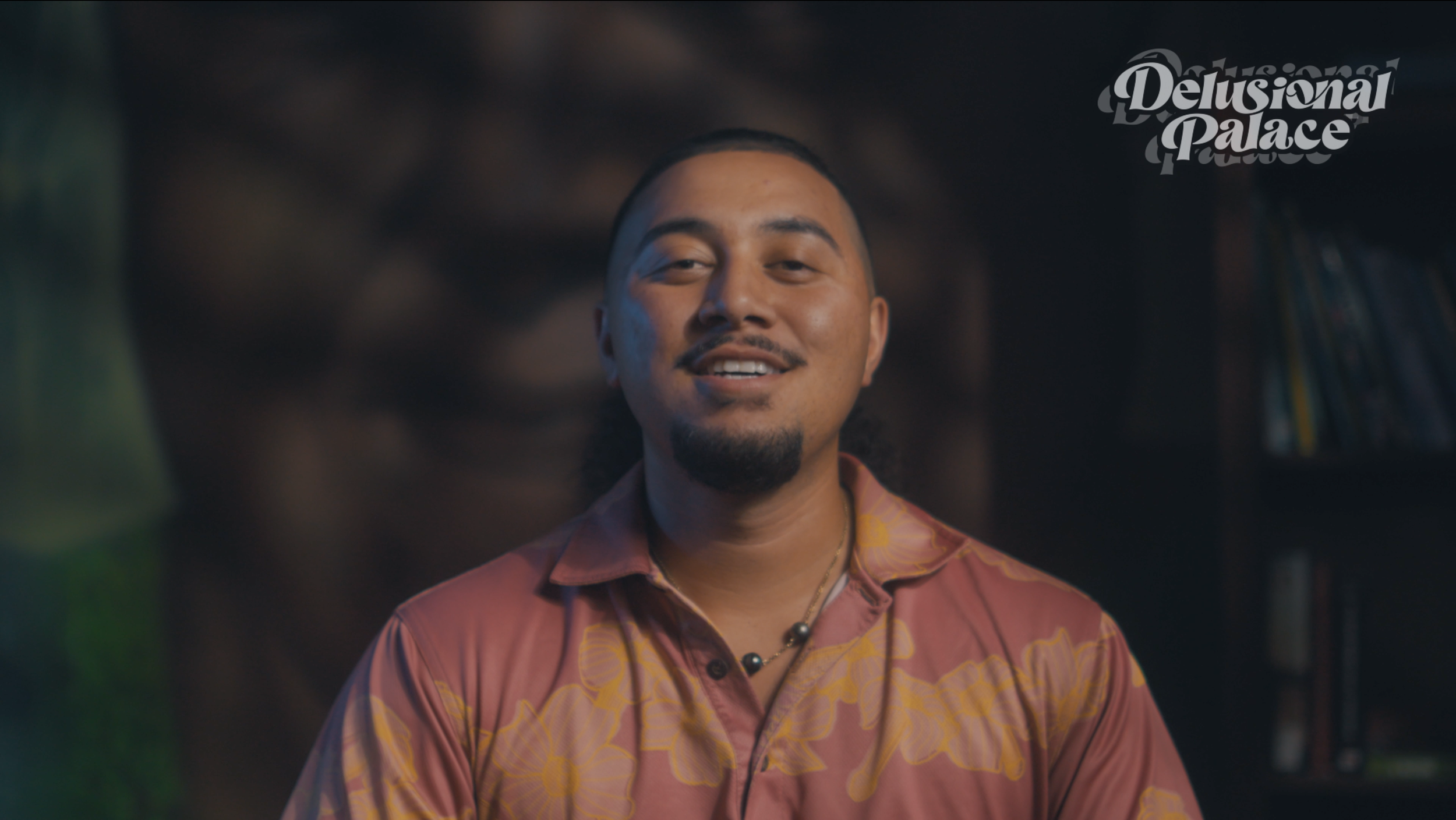
E Ikaika, what is your final message you want to leave with the world?
My FINAL message to the world comes from Kamehameha III (Kauikeauoli):
He aupuni palapala koʻu - Mines will be a nation of literacy. So, to just keep expanding the way you think, expanding your knowledge because ecucation IS the most powerful tool that you can have as a human… AS Kanaka.
With that.
Be Delusional.
follow ikaika mendez here.
Ikaika Mendez: From Haumāna to Kumu, Becoming the Very ʻEa of Hawaiʻi.
“There’s the haumãna that maybe you don’t see progress, but later in life they see and they realize, 'Oh, that’s what I learned, that’s what I learned 20 years ago!” And that’s just the purpose of a Kumu - is to help this young adult grow, to help this human grow, as a BETTER human for society.”
- Ikaika Mendez
